A decade at Sun

Well, 9.66 years at Sun, and 0.33 at Oracle… it was the Tuesday after the August 2000 bank holiday when I first ventured into this office, from the B&B that Sun were putting me up in until I found an apartment. Back then, we were working on getting the forthcoming GNOME 1.4 to play nicely on Solaris 8…

Have to say it would be nice if I got to choose the traditional thank-you gift from any leftover Sun stock in one of the countries that hasn’t LEC’ed yet :) But somehow I can’t see that happening…

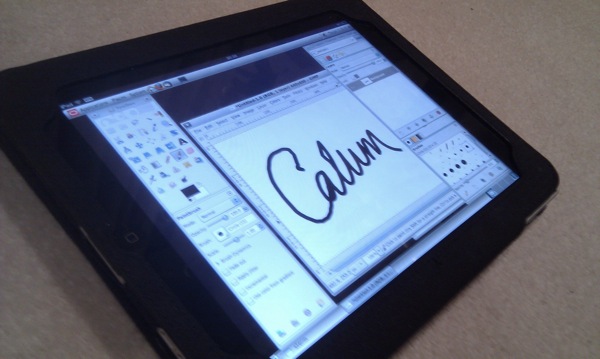
All my pictures seem to fade to black and white

Tonight we head into town for a few beers, to commemorate the untimely passing of Sun Microsystems Ireland Limited, some 17 years after Sun’s operations began in Dublin, and a little less than ten years after I joined.

Tomorrow, at 10.30am sharp, and likely with a few sore heads, we become inducted as employees of Oracle Ireland. See you on the other side.

OpenSolaris Governing Board Election Results

This time last year, I noted I was slightly disappointed at the low number of non-Sun folks who’d been elected to the OpenSolaris Governing Board. No fear of that this year, with just one of the seven newly-elected board members currently representing Sun^H^H^HOracle… although there are certainly a few ex-Sun faces in the mix too.

The new constitution was approved this time around as well. Here’s hoping all concerned can keep up the momentum that’s been gathering over the past few years.

Planning for change

This sort of thing always worries me. I really wish we had a more formal way of alerting users that functionality was going to go away, rather than just pulling the rug from under their feet when they install a new release.

At Sun, and I’m sure at most other companies that support software products, we have to tell our customers in advance when (certain) features are going away. We can’t just drop them from one release to the next because we’ve gone off the idea.

Personally, I’d like to see GNOME manage this a lot better, perhaps (from the end user’s perspective) via a section in the GNOME release notes that said which features we intended to remove from the next release. The impact of such changes would then have to be thought through well in advance, and there’d be plenty of time to remove the feature, fix any related issues, and properly update the documentation prior to its actual disappearance. And users would have time to prepare for the change, and have the opportunity to raise any sensible objections before the fact, rather than after it.

(This thought isn’t especially new, nor directly aimed at the proposed Windows capplet removal… although I do know that’s a decision that would generate support calls for Sun users and customers, who always scream when anything related to their sloppy focus settings breaks, changes or goes away. Many of them have been using sloppy focus on UNIX desktops since before GNOME or even Linux were first thought of, so it’s not a feature we like to mess with…)

Control center refresh

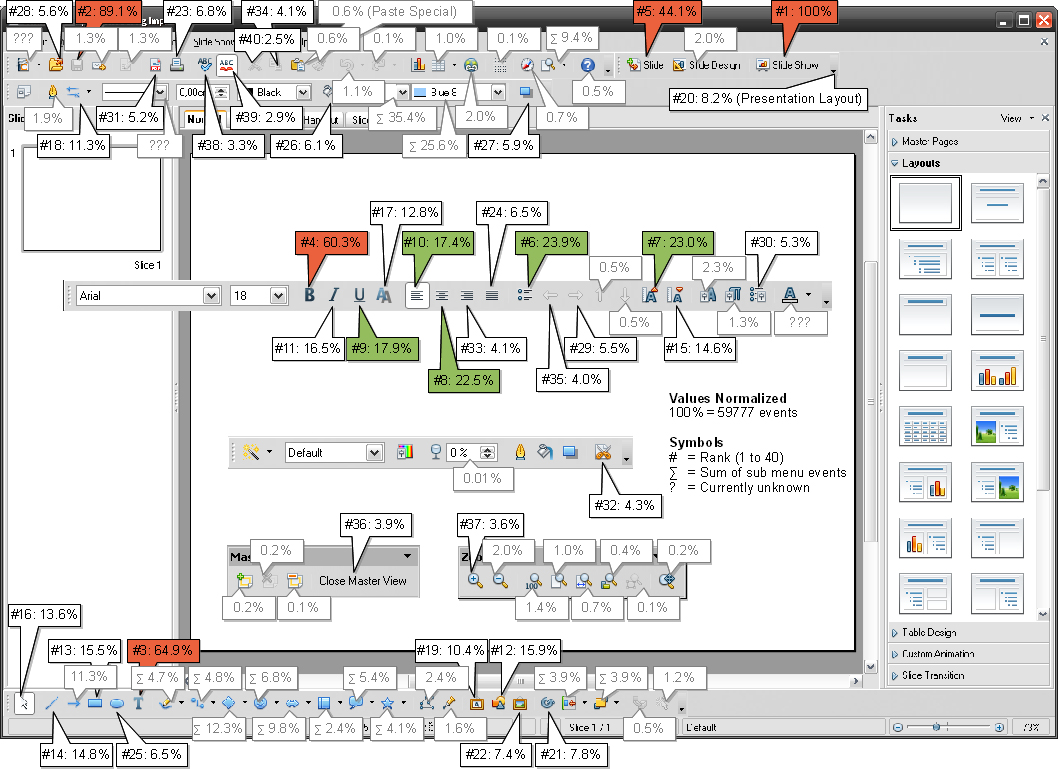
Some of you have probably heard that some folks at Sun have been working on a proposal for a tidied-up GNOME control center shell. Well, at long last, here are some details!

First of all, I should say that I actually have little personal involvement in this project—it’s being led by Kristin Travis and Jenya Gestrin of Sun’s xDesign team… I’m just abusing my position on Planet GNOME to plug what they’re doing :) And as yet, there’s no production code to speak of, just mockups and Flash prototypes, so there’s still plenty of scope for feedback.

You can download the latest protoypes, peruse numerous mockups, and read about the design process to date (including a usability study on the capplet categorisation) on the Usability Project’s Control Center Whiteboard pages.

Latest control center mockup

Feedback welcome here, on the control center mailing list, or direct to Kristin and Jenya.

Try out OpenSolaris… in your browser

This is a neat idea (if not technically all that novel)… log in to Sun Learning Services portal, and you can play with a virtual instance of OpenSolaris for up to an hour.

It does require Java, there are only 8 slots available at any one time, and right now they’re still provisioning OpenSolaris 2008.11 rather than the newer and shinier 2009.06. But if you want to give OpenSolaris a quick whirl, you might find it more convenient than downloading the LiveCD.

More info in Brian Leonard’s blog entry.